2026-10-30 · 6 min read · Wareham
What to Ask About Storm Behavior Before You Fall in Love With a View
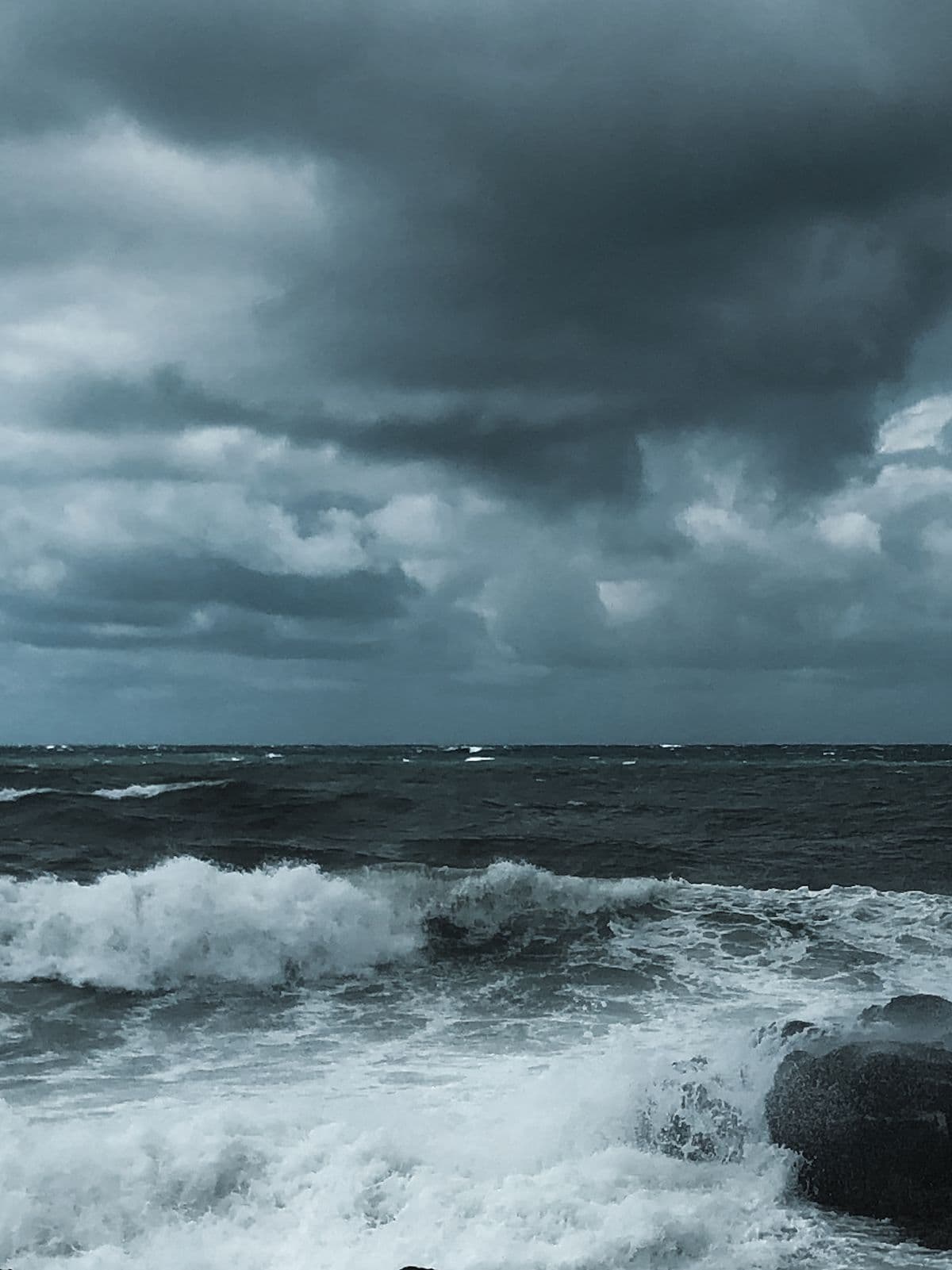
The view sells the house. It never mentions the weather.
I am Susan Gorden Ryan, a REALTOR® with Jack Conway in Mattapoisett, and I live on Buzzards Bay myself, so I have stood in that yard too, the one where a buyer goes quiet because the water is doing something beautiful.
That moment is real and I would never talk anyone out of it. But a house on the water is not one house. It is two: the one you are standing in on a calm Saturday in June, and the one that is still there in February when the wind comes out of the northeast and does not let up for two days. Most buyers only ever meet the first one before they write an offer.
Nobody hands you a prediction about which house you are actually buying. What you can get, before you write that offer, is a set of real questions, asked of the right people, that tell you how this particular shoreline tends to behave. Not what the internet says about storms in general. What this stretch of Wareham water does.
Ask the seller how the property has actually behaved, not how it looks
A listing shows you the house on its best day. The seller, if you ask directly, usually knows the worst ones.
Worth asking plainly: has water ever come up onto the lawn, the driveway, or into the house itself, and when. Has the yard ever lost ground along the water's edge. Has anything on the property, a dock, a bulkhead, a seawall, a retaining wall, been repaired or rebuilt, and what caused the damage that made the repair necessary in the first place.
A seller is not required to volunteer all of this, so the questions have to be specific. "Has the property flooded" gets a different answer than "has water ever reached the lawn." Ask both.
Ask the neighbors, because they remember the storm the seller would rather not discuss
The people who have lived three doors down for twenty years have no reason to sell you on the house. That makes them the best source in the whole process.
A short conversation, or even a knock on the door while you are looking at the property, can surface what a disclosure form does not: which storms actually did damage here, which direction the worst weather tends to come from on this stretch of shoreline, whether the road floods before the yard does, and whether anyone has had to leave during a storm in recent memory.
I have had buyers learn more from one conversation on a neighbor's porch than from a stack of paperwork. It is worth the ten minutes.
Ask the town what it knows and what it restricts
Wareham's conservation commission and building department keep records a casual search will not turn up: permitted repairs to a bulkhead or seawall, any work done under an emergency order after a storm, and whether the lot sits near a jurisdictional wetland or coastal bank that limits what you can build or rebuild later.
That last part matters even if you never plan to build anything. A property that is harder to rebuild after damage is a different property than one that is not, regardless of how either one looks today.
Ask for the permit history on anything near the water. If the town's file shows three bulkhead repairs in fifteen years, that is not a flaw in the property. It is information, and it belongs in your decision either way.
Ask about the structure itself: foundation, elevation, and what it has already weathered
What does the first floor sit at relative to the yard, the road, and the water. How old is the foundation, and has it been inspected recently for anything a storm might have moved. What direction does the house actually face, and does it take weather head on or is it set back or turned to shed it.
A qualified inspector who works on coastal properties regularly should be the one answering these, not a general home inspector doing a waterfront job for the first time. The difference shows up in what gets checked and what gets missed.
I want this answered before you are emotionally committed to the house, not after. Lifestyle over square footage still applies here: where you will actually stand with your coffee matters, and so does what that spot does in a storm.
Start with the questions, not the worry
None of this is meant to talk anyone out of buying on the water. I live here. I would not trade it. The point is that the view is the easy part to fall for, and the storm behavior is the part that actually tells you what you are buying.
If you want the fuller picture on this coast, I have written about what a flood zone letter actually changes before you write an offer, dock and mooring rights, and what erosion actually means for a specific lot. If the insurance side is the piece keeping you up, this is the question most waterfront buyers skip, and here are five more things worth knowing before you look at a single listing.
Thinking about buying on the water in Wareham? Start with the waterfront buyer process, or just reach out and tell me which stretch of shoreline you are looking at. I will tell you what I actually know about it.
Frequently Asked Questions
What questions should I ask before buying a waterfront home in Wareham?
Ask the seller whether water has ever reached the lawn, driveway or house, and whether any dock, bulkhead or seawall has been repaired and why. Ask neighbors what the worst storms in recent memory actually did to the area. Ask the town's conservation commission and building department about permit history and any restrictions near the water. Ask a coastal-experienced inspector about the foundation and elevation.
Who keeps records of storm damage on a waterfront property?
The town's conservation commission and building department generally hold permit history for repairs to bulkheads, seawalls and other coastal structures, including anything done under an emergency order after a storm. That history is public and worth requesting before you write an offer.
Should I talk to neighbors before buying a waterfront home?
Yes. Neighbors who have been on the street for years have no reason to sell you on the house, which makes them a useful source for how a specific stretch of shoreline actually behaves in a storm, information a listing or disclosure form will not always include.
Does a beautiful view mean a waterfront property is safe from storms?
No. A view describes what the property looks like on a calm day. It says nothing about how the shoreline, the foundation or the structures on it behave in a nor'easter. Those are separate questions that take separate research before an offer.