2026-11-28 · 6 min read · Buzzards Bay
Open Water or a Protected Cove? Why That Difference Matters More Than the View
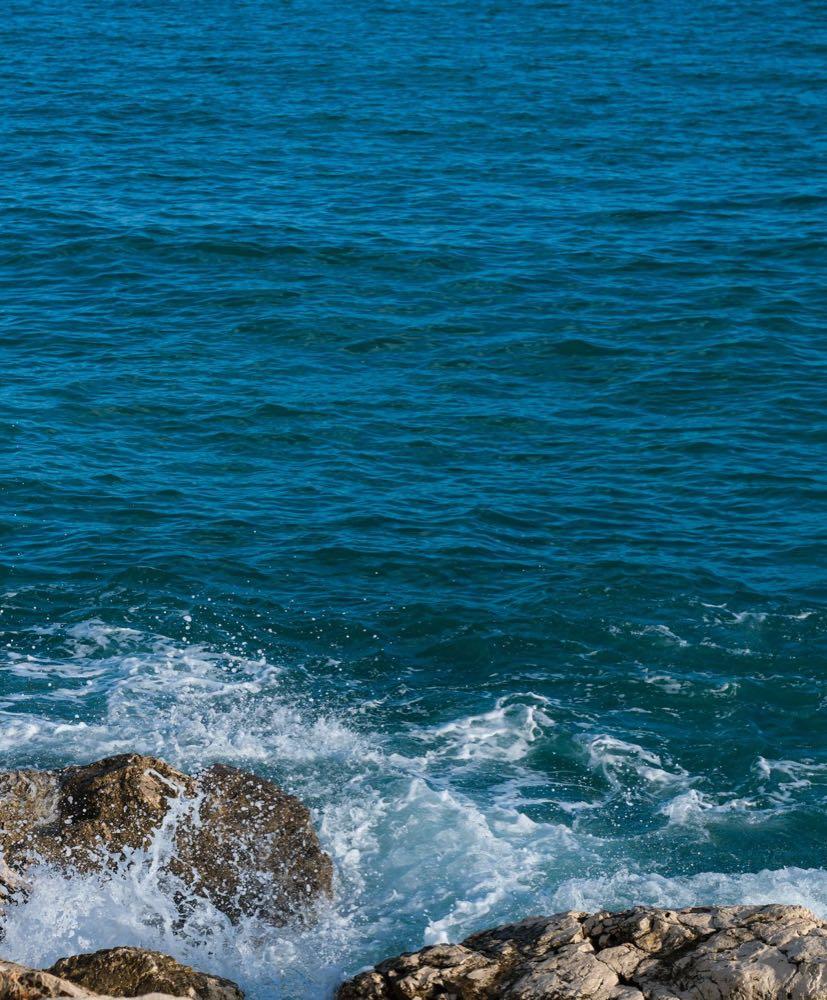
Two docks a few hundred yards apart can be two different bets
I am Susan Gorden Ryan, a REALTOR® with Jack Conway in Mattapoisett, MA, and I live on Buzzards Bay myself, so this is not something I researched once for a listing. It is what I watch from my own windows, season after season. Two houses can sit a few hundred yards apart on the same stretch of coast, one facing open tidal water with nothing between it and the horizon, and one tucked into a protected inlet with a point of land or a stand of trees taking the worst of it. In a listing photo, on a calm day, those two houses can look almost the same. What each one asks of its owner the rest of the year rarely matches that photograph at all, and that gap is exactly where a buyer gets surprised after closing instead of before it.
What open water actually does in a storm
A home on open tidal water takes wind and wave action head on, with nothing to slow either one down before they reach the shoreline. That means more wave energy reaching a seawall or a bank over the course of a year, more salt spray finding siding, windows, and outdoor fixtures, and a dock or mooring that has to be engineered for real exposure rather than for a calm summer afternoon. It also means the view that sold you on the house in July is the same view doing real work against your property in a January nor'easter. The honest questions to ask about storm behavior before you buy are what separate a buyer who understands that trade going in from one who finds it out for the first time after the first bad storm of the season.
What a protected cove buys you, and what it still costs
A home set into a cove or inlet trades some of that exposure for calmer water, and usually for a gentler shoreline that asks less of a seawall or a bank. That is a real advantage, and worth real money. It is not a free one. A protected cove often means shallower water close to shore, more silting and eelgrass to manage over time, and sometimes a longer channel to navigate before you ever reach open water at all. Some coves also hold water and odor differently than open water does, which matters more to some buyers than others. What dock rights actually mean on a given property is worth understanding before you assume that calmer water means fewer questions. It usually just means different ones.
The maintenance difference shows up in the details, not the brochure
Salt, wind, and wave exposure are not abstract once you actually own the house. They show up as how often a dock needs real repair rather than a coat of sealant, how a seawall or a bank holds up over ten years instead of one good season, and how much maintaining a waterfront home on Buzzards Bay actually costs depending on how exposed the specific property is. Exterior paint, hardware, and even window seals age differently a stone's throw from open water than they do thirty feet back in a sheltered cove. Erosion is the other half of this conversation, and whether flood insurance even covers erosion damage at all depends on that same exposure, not on how pretty the view looks from the kitchen window.
How to actually check which one you are looking at
Standing on the dock on a calm day and reading the water with your own eyes is a start, and it is not enough on its own to tell you what you are buying. An elevation certificate tells you how a property is actually classified on paper, not how sheltered it happens to feel on a quiet Tuesday in October. Asking a neighbor what a specific stretch of shoreline does in a real storm, not a general one, tells you more than any brochure will. The goal is never to be scared off either kind of property. Plenty of buyers want open water on purpose, with their eyes open about what it costs to keep it. The goal is to buy with your eyes open instead of buying the photograph and finding out the rest later.
I live with this choice myself
I made my own move to the water with these questions already answered, not guessed at, because I wanted to know exactly what I was taking on before I signed anything. Whether the right fit for you is a house on open water or one tucked into a cove depends on what you actually want your mornings, your dock, and your maintenance budget to look like for the next twenty years, not on which one happens to photograph better on the one afternoon you see it. Reach out and we will walk the real difference together, on the actual water, before you fall for either view.
Frequently Asked Questions
What is the real difference between buying on open water and a protected cove?
Open water takes wind and wave action directly, which means more exposure for a dock, a seawall, and siding, and more to check before you buy. A protected cove is calmer, but it often brings shallower water, more silting, and a longer channel out to open water. Neither is automatically the better choice.
Does a protected cove cost less to maintain than open waterfront?
Often, but not always. A protected cove usually spares a dock and a shoreline the heaviest wave and wind exposure, which can lower maintenance costs. It can also bring its own upkeep, like managing silting or eelgrass, so the comparison has to be made property by property.
How do I find out how exposed a specific waterfront property actually is?
An elevation certificate and a real look at the property's flood zone classification tell you more than standing on the dock on a calm day. Asking about storm behavior and erosion history for that specific shoreline, not the general area, is the next step.
Should I avoid open tidal water because it is more exposed?
Not necessarily. Plenty of buyers want open water on purpose and budget for what it takes to maintain it. The point is to know which one you are buying before you write the offer, not to rule either one out.